When Christina entered foster care at just 6 years old, she had already endured abuse, trafficking, and homelessness. Diagnosed with PTSD, she and her siblings were removed from their biological mother and placed in state care.
From the start, the YBGR Dillon Community Based Services team wrapped around Christina with in-home support, case management, and therapy—giving her and her caregivers the tools to find stability and build strength, but multiple moves and uncertainty slowed her healing process.
At age nine, Christina was placed with Tina, her now adoptive mom who did her best to offer a sense of security, but Christina struggled to believe she was truly home. When her infant sister moved in too, she asked, “When do I need to go pack my bags? I know I have to leave because when a baby comes, there’s not enough love to go around.”
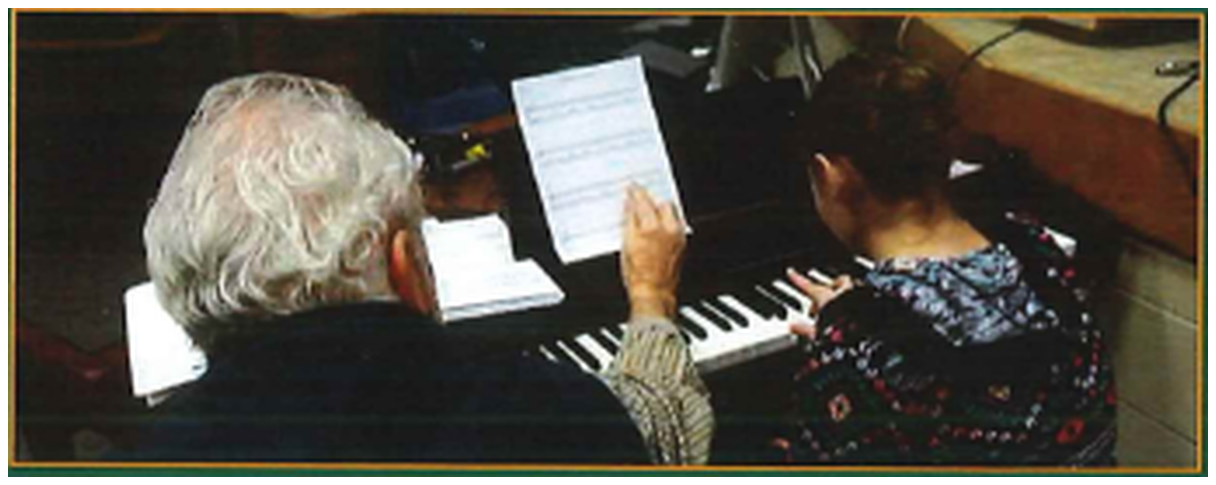
Christina’s team continued supporting her, helping her process fears while encouraging her love for art and music. Creativity became her refuge, a way to express emotions too heavy for words. As Christina gained confidence, she no longer needed in-home support, transitioning to just case management—providing care coordination and advocacy—along with therapy. But as she spoke more openly about her trauma with friends, she scared them, leading to strained relationships and escalating emotions.
Currently, a short-term stay in the residential treatment program at YBGR is giving Christina the intensive therapy she needs to stabilize and heal. With structure and care, she picked up her sketchpad again, using art to process her experiences in ways conversation never could. With community care still in place and therapeutic work happening with family, Christina is preparing to move back home this summer, ensuring her progress at the Ranch carries forward.
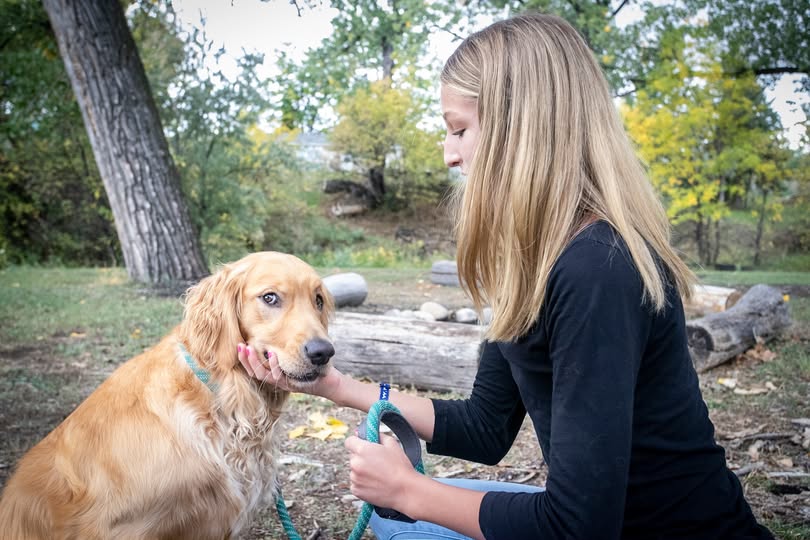
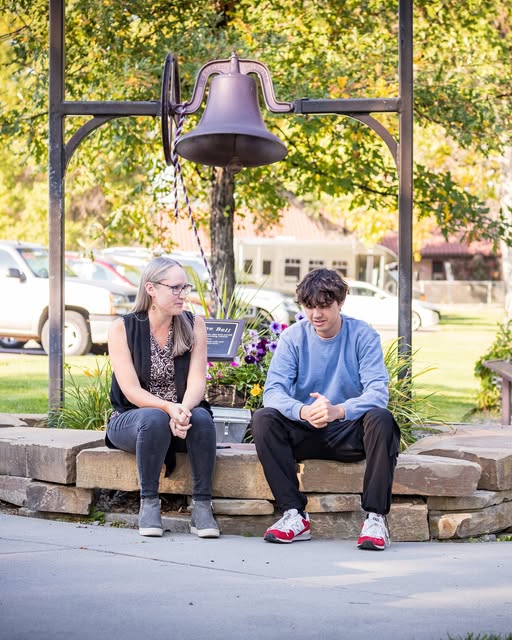
*For the privacy of the youth served at the Ranch, names have been changed. Image(s) shown here are a representation of those served at the Ranch.

In 2024, over 390,000 children in the U.S. were in foster care, many carrying the weight of trauma and mental health challenges. For children diagnosed as Severely Emotionally Disturbed (SED), finding stability—let alone a loving, permanent home—can feel out of reach. Therapeutic Foster Care is changing that by equipping foster parents with the training, resources, and unwavering support they need to make a lasting difference. Jordan is one of those parents. He knew he had more to give—a home, the space, and most importantly, the heart to help a child in need.


John and Selene are long-time donors to Yellowstone Foundation, and in addition to both outright and planned gifts, they have hosted several donor appreciation events at their home. As John and Selene approach retirement, they have begun the process of estate planning. One asset they were no longer actively using was a 1929 Ford Model A Coupe that John won in a raffle several years ago. After some discussion, they decided to donate it to Yellowstone Foundation, and the car was delivered to the Auto Barn at YBGR.
When Nina came to YBGR in early spring of 2024, she was a tough nut to crack. According to her therapist Audrey, “She wouldn’t open up and talk to me so that we could start the healing process. Then, during a conversation with Nina’s mom, I learned that if Nina had a project to do with her hands, she would open up more. We looked online for some ideas, and Nina wanted a vertical pallet herb garden, so I found a pallet, and we got to work.”
Through the process of sanding the rough pallet, Nina finally started to open up to Audrey. It took several weeks of hand sanding to get all the rough spots smoothed out, and by July, they were ready to paint the pallet and plant the herb seedlings that they had started from seeds. Now the Leuthold herb garden is proudly on display at the lodge, and soon the youth will be able to harvest fresh herbs to add to their meals. Nina is now working towards successfully discharging and looking forward to going home.
In April 2022, Tony and his young sons were referred to YBGR’s Child Welfare Prevention and Support Services. At the time, Tony was homeless, unemployed, and struggling with substance use, but he was determined to rebuild his life and be there for his children. He spoke kindly about their mother and expressed a desire to raise his boys with strong values and faith. Tony used community resources for food and diapers, entered treatment for substance abuse, and worked towards obtaining his Commercial Driver’s License (CDL) at Flathead Community College. He also joined Flathead Family Treatment Court, adhering to all its requirements.


Like many youth in YBGR’s residential treatment program, Leah had a chaotic upbringing. Her parents struggled with addiction and were in and out of jail. She was bounced from her parents to her grandparents to foster care and back again so many times, she lost count of all the different places she had lived. When Leah was fourteen, she started getting into trouble. Her grandparents hired an attorney and were finally able to get full custody of her, but Leah continued to get into trouble, plagued by feelings of hopelessness and abandonment. She was going to therapy, but her grandparents felt like she needed more than an hour a week and sought services at YBGR.